

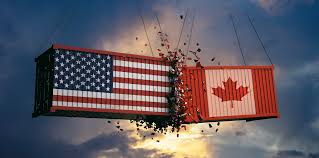
The current trade climate between Canada and the United States has evolved from a temporary shock into a structural reality of 2026. For businesses across British Columbia, Alberta, and Saskatchewan—particularly those in manufacturing, natural resources, and cross-border logistics—tariffs have become a “cost of doing business” rather than a fleeting inconvenience.
The Tariff Tightrope: Why Benefits are Your Secret Weapon
When margins tighten due to a 50% tariff on steel or a 25% duty on derivative metal products, the first instinct is to cut costs. Many leaders look at their overhead, and naturally, their group benefits plan appears as a tempting line item for reduction. However, in an era of trade-induced uncertainty, this is a strategic error. When your business is navigating supply chain disruptions and volatile export markets, your human capital is the only asset that can truly help you adapt.
Preventing “Talent Flight” During Downturns
When industries like aluminum, steel, or lumber face steep tariffs, production levels fluctuate and workloads become unpredictable. During these times, your top talent—your engineers, lead logistics managers, and specialized sales staff—often become “flight risks.” They watch the news, see the trade friction, and start looking for safer harbor.
Your benefits plan acts as an anchor. By maintaining robust health, dental, and disability coverage, you provide a stability that your competitors might be cutting. A high-quality benefits package signals that your company is resilient and committed to its people, even when external trade policy is erratic.
Managing the Productivity Tax of Uncertainty
Trade wars don’t just affect the balance sheet; they affect employee mental health. Employees in Western Canadian export industries are feeling the pressure of uncertainty. When they worry about the future of their department or the impact of potential layoffs, their “mental bandwidth” for their actual job decreases.
In 2026, the most successful firms are using their benefits plan as a “stability hub.” This means moving beyond basic health coverage to provide:
- Enhanced Employee Assistance Programs (EAPs): Specifically geared toward stress and change management.
- Financial Wellness Tools: Helping employees navigate their own personal finances during periods where the company’s revenue—and perhaps their own variable compensation—may be impacted by trade volatility.
Strategic Workforce Flexibility
As you manage the “Tariff Tightrope,” you may need your workforce to be more agile than ever. This might mean retraining a team to work with new suppliers in Europe or Asia rather than the traditional U.S. partners, or shifting focus to domestic procurement.
A well-structured benefits plan can facilitate this pivot:
- Investing in Skills: Use federal programs—like the Labour Market Development Agreements (LMDAs)—in tandem with your corporate wellness strategy to fund training and development.
- Flexible Staffing Models: As you adapt to trade conditions, you may need to transition some roles or bring in temporary expertise. Ensure your benefits plan design is flexible enough to accommodate different tiers of staff—contract, full-time, and seasonal—without creating administrative chaos or massive premium spikes.
The “Buy Canadian” Benefit Philosophy
There is a growing sentiment across Western Canada to align corporate culture with national resilience. Just as your business may be pivoting to “Buy Canadian” for your raw materials, you should be ensuring your total rewards package reflects this local commitment. Using Canadian-based insurance carriers and domestic virtual health providers keeps your benefits ecosystem predictable and immune to the same cross-border volatility affecting your supply chain.
The Road Ahead
The upcoming CUSMA joint review in 2026 will be a defining moment for Western Canadian industry. Between now and then, the goal is to build an organization that is “trade-resistant.” This doesn’t mean you can ignore the tariffs, but it does mean you ensure your business is not one of those that collapses because its key people left when the trade winds shifted.
Your benefits plan is not a “nice to have” perk; it is a financial and operational firewall. In an era of unpredictable tariffs, the companies that thrive will be those that view their workforce not as a cost to be managed, but as the primary engine for navigating the complexity.