
As we navigate the opening months of 2026, the Canadian economic landscape feels like it is in a state of constant recalibration. While inflation has largely stabilized near the two percent mark, the persistent friction of trade tensions and the fluctuating impact of tariffs have created a unique kind of psychological pressure for the workforce. For employees in Western Canada, particularly those in industries tied to trade, manufacturing, or resource export, the news cycle is no longer distant noise—it is a direct threat to their sense of security.
In this environment, mental health is not just a human resources checkbox. It is a vital component of your business continuity plan. When economic uncertainty rises, productivity often dips, not because employees are working less, but because they are distracted by the weight of what-ifs.
The Hidden Cost of Quiet Burnout
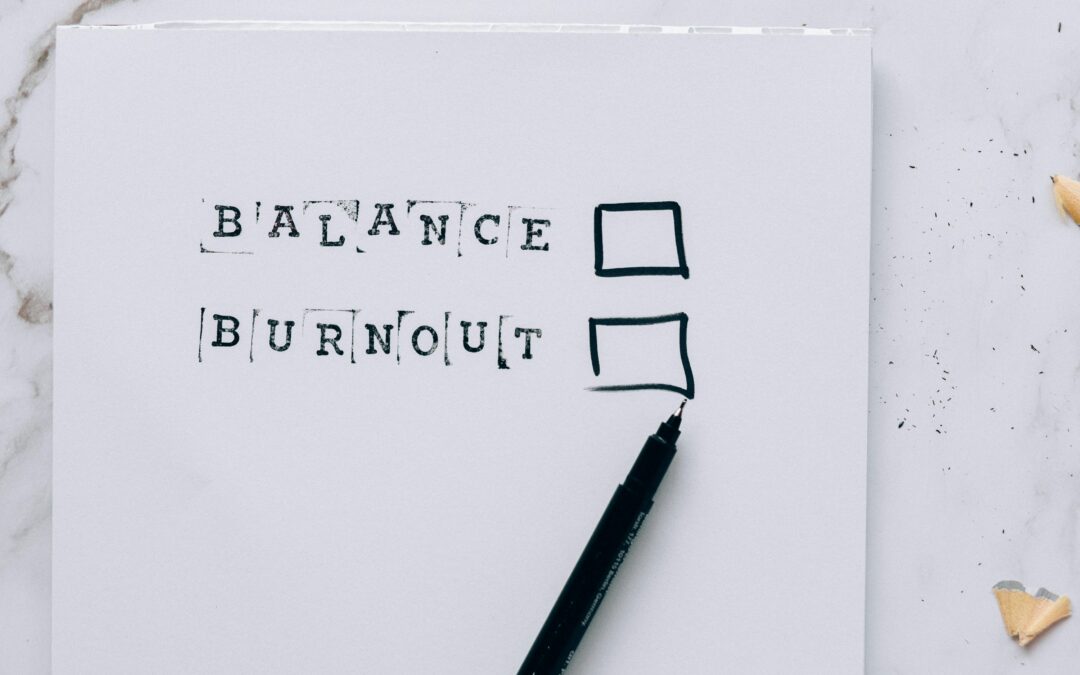
Recent data suggests that over half of Canadian workers are currently experiencing challenges that affect their work performance, yet only a third feel comfortable disclosing these struggles to their employer. This gap creates what experts are calling quiet burnout. Unlike traditional burnout, which often manifests as vocal frustration or obvious absenteeism, quiet burnout involves employees who remain present and seemingly productive while privately nearing a point of collapse.
In an era of high-speed AI integration and shifting trade policies, many workers feel replaceable. This fear drives them to mask their stress, leading to a workforce that is technically active but mentally exhausted. For an employer, the cost is staggering. Estimates suggest that burnout and mental health-related absences can cost a mid-sized company millions annually in lost productivity and turnover.
Shifting Focus to Financial Wellbeing
In 2026, you cannot discuss mental health without addressing financial wellness. The two are inextricably linked. With grocery prices and housing costs remaining high despite cooling inflation, your employees’ primary source of anxiety is likely their bank account.
Traditional benefits packages often overlook the immediate relief that financial literacy and support can provide. Forward-thinking companies are now integrating financial wellness tools that go beyond retirement planning. This includes:
- Access to low-cost financial coaching to manage household debt.
- Emergency savings programs that help employees build a small buffer.
- Transparent communication regarding how economic shifts affect the company’s stability.
When an employee feels that their employer understands the reality of the 2026 cost-of-living crisis, the psychological safety of the workplace increases. That safety is the best defense against the paralyzing effects of economic stress.
Empowering Managers for Early Intervention
The most significant impact on employee mental health often comes from their direct supervisor. However, only about two-thirds of managers feel equipped to handle conversations about mental health or identify signs of distress.
Training your leadership team to recognize the subtle cues of economic anxiety is a high-return investment. This does not mean asking managers to act as therapists. Instead, it involves teaching them how to signpost employees to available resources, such as Employee Assistance Programs (EAPs) or virtual care platforms.
A simple, proactive check-in that acknowledges the current economic climate can break the stigma. When a manager says, “I know there is a lot of talk about tariffs and job security in the news right now; I want to remind you of the support tools we have available,” it validates the employee’s feelings without crossing professional boundaries.
The Strategic Value of Flexibility
Flexibility is often touted as a perk for work-life balance, but in 2026, it has become a mental health necessity. Economic stress often manifests in a need for more control over one’s environment. Whether it is providing a Mental Health Spending Account (MHSA) that allows employees to choose their own therapy or wellness activities, or offering flexible scheduling to help them manage household costs, giving autonomy back to the employee reduces the feeling of being a helpless passenger in a volatile economy.
As we move further into the year, the companies that thrive will be those that reject the grind culture of the past decade. Instead of demanding more from an already stressed workforce, these leaders are protecting long-term wellbeing to ensure their team has the resilience to weather whatever the next trade cycle brings.
Building for the Future
Economic cycles are inevitable, but the damage they do to your team’s mental health does not have to be. By fostering a culture of transparency, prioritizing financial wellness, and equipping your managers with the right tools, you can turn a period of uncertainty into an opportunity to build deep organizational loyalty.
The goal is to create an environment where your team feels valued not just for their output, but as individuals navigating a complex world. When the economy eventually settles, the businesses that supported their people through the storm will be the ones standing strongest.