
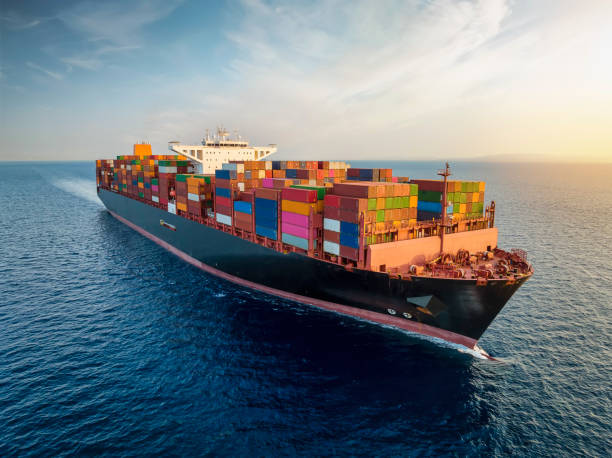
As we move into the second quarter of 2026, the economic narrative for Western Canada is being written by two powerful and often conflicting forces: the volatility of international trade and the persistence of domestic inflation. For business owners and HR leaders in British Columbia, Alberta, and Saskatchewan, these are not just headlines in the financial papers; they are daily operational challenges that dictate everything from supply chain costs to the viability of employee compensation packages.
The 2026 Tariff Landscape
The start of this year brought a significant shift in our relationship with our largest trading partner. Following the U.S. Supreme Court decision in February to strike down previous trade measures, a new 10 percent temporary import surcharge was swiftly implemented on non-CUSMA compliant goods. While the Canada-United States-Mexico Agreement provides a level of protection for many of our core exports, the sectoral tariffs on steel, aluminum, and particularly lumber remain a thorn in the side of Western Canadian industry.
In British Columbia, the forestry sector continues to feel the squeeze of these persistent duties, making it harder for mid-sized mills to maintain the same headcount and benefits levels they once did. In Alberta and Saskatchewan, the energy and agricultural sectors are navigating a landscape where the cost of imported machinery and industrial parts has risen due to these ongoing trade tensions. When the cost of doing business goes up at the border, the first place many companies look to find savings is their internal overhead. However, in a competitive labor market, cutting benefits is a risky move that can lead to a talent exodus.
The Inflation Factor in the West
While the Bank of Canada has worked hard to bring the headline inflation rate down toward the 2 percent target, the reality on the ground in Western Canada feels different. As of early 2026, we are seeing food inflation sitting significantly higher than the national average. Reports suggest that the average Canadian family will spend nearly 1,000 dollars more on groceries this year than they did in 2025.
For an employee in Vancouver, Calgary, or Regina, the purchasing power of their paycheck is being eroded. This creates a phenomenon where employees look to their benefits plan to fill the gaps that their salary no longer covers. When a family is choosing between high-quality groceries and a trip to the dentist or a new pair of prescription glasses, they will inevitably turn to their employer-sponsored plan to carry the load.
Strategic Adjustments for 2026
Faced with rising premiums due to high utilization and the increased cost of medical supplies—which are also subject to trade-related price hikes—Western Canadian firms need a new playbook.
First, the integration of Health Spending Accounts has become a vital tool for cost containment. By moving toward a model where the employer provides a defined contribution rather than a defined benefit, businesses in Alberta and Saskatchewan are finding they can cap their exposure to rising insurance costs while still giving employees the flexibility to spend money where inflation hits them hardest. For many, this means using HSA funds to cover the rising costs of paramedical services or mental health support that may have previously been out of reach.
Second, the push for interprovincial trade ease, fueled by the One Canadian Economy Act passed last year, provides an opportunity for Western Canadian businesses to look inward. By sourcing more materials and services from within the BC-AB-SK corridor, companies can mitigate some of the volatility of U.S. trade policy. This same logic can be applied to benefits by choosing providers that have a strong local presence and specialized networks within Western Canada, which can often lead to more competitive administrative costs.
Protecting the Bottom Line and the People
The most successful companies in 2026 are those that view their benefits plan not as a fixed cost, but as a strategic lever. During periods of high inflation and trade uncertainty, your benefits plan is actually a form of currency. It is a tax-effective way to provide value to your team without simply increasing base salaries, which may be difficult to sustain if trade conditions worsen.
Transparency is your best friend in this environment. If you are adjusting your co-insurance levels or shifting toward an HSA model to manage the 8.3 percent medical inflation trend we are seeing this year, tell your employees why. Explain the impact of global tariffs on your operating margins and show them how the benefits plan is being restructured to ensure it remains sustainable for the long term.
Western Canada has always been a region defined by its resilience and its ability to adapt to global markets. As we navigate the economic crosswinds of 2026, the businesses that stay ahead of the curve on both trade policy and inflation-adjusted benefits will be the ones that thrive.